
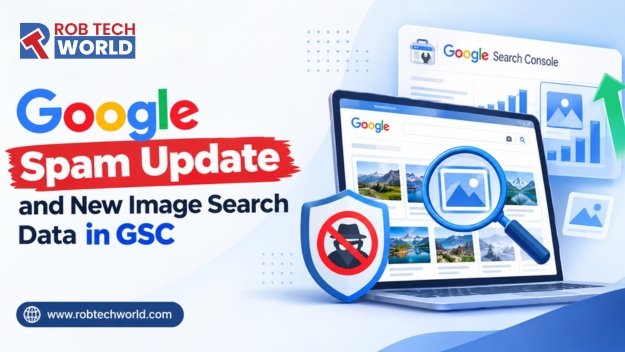



Google’s September 2026 spam update has officially finished rolling out, marking an important development for website owners, digital marketers, and SEO professionals. The update began on September 24, 2026, and was completed on October 8, 2026, according to Google’s Search Status Dashboard. The rollout applied globally and covered all languages.
For businesses that depend on organic search traffic, understanding Google algorithm updates is an important part of maintaining a strong online presence. Changes in search rankings can affect website visibility, visitor numbers, and potential customer enquiries. However, a ranking drop does not automatically mean that a website has violated Google’s spam policies.
In this article, we explain what happened during the September 2026 spam update, what website owners should review, and how to maintain a website that follows good SEO practices.
What Is the Google September 2026 Spam Update?
The Google September 2026 spam update was a search ranking update designed to improve Google’s ability to identify search spam. Google announced the update on September 24, 2026, stating that it applied to all languages and locations and could take up to two weeks to complete.
Google described it as a normal spam update. The company did not announce a specific new spam technique or a particular category of website being targeted in this release.
Google regularly improves its automated systems to identify websites and content that violate its search spam policies. These systems help maintain the quality and relevance of search results.
The completion of this update means website owners can now review their search performance after the rollout. However, it does not mean that every website will experience ranking changes or that all ranking fluctuations were caused by this update.
Key Dates and Details of the September 2026 Spam Update
Here are the important details website owners should know:
- Update announced: September 24, 2026
- Rollout completed: October 8, 2026
- Duration: Approximately two weeks
- Coverage: All languages and locations
- Update category: Google Search spam update
Google confirmed the completion through its official Search Status Dashboard. The rollout took approximately 13 days and 16 hours, making it longer than several earlier spam updates released in 2026.
Website owners should use these dates as a reference when comparing organic search performance. Looking at the timing of ranking or traffic changes can help identify whether further investigation is necessary.
How Can the Spam Update Affect Website Rankings?
Google’s spam updates can affect websites that violate its search spam policies. Depending on the circumstances, pages may lose visibility or stop appearing in search results.
However, the impact varies from website to website. Some websites may experience little noticeable change, while others may see changes in impressions, clicks, or keyword positions.
The following areas are worth reviewing after a spam update.
1. Organic Traffic and Keyword Rankings
A website may experience changes in its keyword positions or organic traffic during or after an algorithm update. These changes should be evaluated using actual performance data rather than assumptions.
Compare your website’s performance before and after the update. Look for specific pages, search queries, or landing pages that have experienced significant changes.
2. Content Quality and Relevance
Pages created primarily to manipulate search rankings may be at risk if they violate Google’s spam policies. Content should provide useful information that addresses the needs of its intended audience.
Review pages that contain repetitive information, misleading claims, unnecessary keyword repetition, or little original value. Improve them where necessary instead of publishing additional pages simply to target more keywords.
3. Website Structure and Technical SEO
Technical problems can also affect search performance independently of a spam update. Incorrect canonical tags, indexing restrictions, broken internal links, and crawling issues may prevent search engines from accessing or understanding important pages.
A technical SEO audit can help identify these problems and separate them from possible algorithm-related changes.
What Should You Check After the Google Spam Update?
Now that the rollout is complete, website owners can review their data and identify areas that require attention.
Review Google Search Console Data
Start with Google Search Console to understand how your website performed before, during, and after the update.
Focus on these metrics:
- Clicks: Check whether organic visits from Google Search have changed.
- Impressions: Identify whether your pages are appearing less frequently in search results.
- Average position: Review changes in keyword and page visibility.
- Click-through rate: Determine whether search listings are attracting a different proportion of clicks.
Compare similar date ranges and account for normal variations in traffic. Segment the data by page, query, device, and country to understand where changes occurred.
Check the Manual Actions Report
Open the Manual Actions report in Google Search Console to check whether Google has issued a manual action against your website.
A manual action is different from an automated ranking adjustment. If the report identifies an issue, follow Google’s instructions to investigate and resolve it.
An empty report does not rule out algorithmic changes, so continue reviewing your website’s content and search performance.
Review Your Website’s Backlink Profile
Links can help search engines discover pages and understand relationships between websites. However, link-building practices intended to manipulate search rankings may violate Google’s spam policies.
Review your backlink strategy for patterns such as paid links that pass ranking credit, excessive reciprocal links, or large-scale link exchanges designed primarily to influence rankings.
Focus on earning relevant links through useful resources, original research, industry contributions, and genuine business relationships. Avoid evaluating backlink quality using domain authority alone.
Audit Important Landing Pages
Review the pages that contribute most to your website’s organic traffic and business enquiries.
Check whether each page answers the searcher’s question, provides accurate information, uses a clear structure, and offers a useful next step. Remove unnecessary repetition and update outdated details where needed.
For business websites, service pages should explain the services offered, who they are intended for, and what visitors can expect. Clear and relevant information can help both users and search engines understand the purpose of each page.
SEO Practices to Follow After the September 2026 Update
The completion of a spam update is a useful opportunity to review your SEO strategy. Rather than reacting to every ranking fluctuation, focus on maintaining a website that provides value to users and follows Google’s published guidelines.
Create Helpful, Original Content
Publish content that addresses genuine customer questions and provides information that readers can use. Research topics carefully, verify factual claims, and include practical explanations where appropriate.
Avoid creating large numbers of near-identical pages just to target variations of the same keyword. Each page should serve a clear purpose and provide distinct value.
Follow Ethical Link-Building Practices
Build backlinks through relevant industry publications, useful content, legitimate business listings, and meaningful partnerships.
Avoid automated link schemes, paid links intended to manipulate rankings, and large-scale guest posting campaigns that exist primarily to generate ranking credit.
A sustainable link-building strategy prioritises relevance, editorial value, and the quality of the relationship rather than focusing only on backlink volume.
Maintain a Strong Technical Foundation
Ensure your website can be crawled and indexed correctly. Review site speed, mobile usability, navigation, internal linking, redirects, canonical tags, and XML sitemaps.
A technically sound website does not guarantee higher rankings, but it helps search engines access your content and helps visitors navigate your pages more effectively.
Monitor Search Performance Consistently
Track important keywords, landing pages, organic clicks, impressions, and conversions over time.
Avoid making major changes based on a single day’s performance. Search visibility can fluctuate for several reasons, including competition, seasonality, technical issues, and changes in user behaviour.
If a sustained decline occurs, investigate the affected pages and queries before deciding which improvements to prioritise.
How Rob Tech World Can Help Businesses Maintain Website Quality?
Rob Tech World is a web designing and development company in India that helps startups and enterprises build fast, scalable, and conversion-focused websites.
Website performance depends on more than visual design alone. A well-developed website should provide a clear user experience, work across devices, support technical SEO requirements, and make it easy for visitors to find relevant information.
Rob Tech World’s web design and development services focus on building websites with practical business requirements in mind. This includes responsive layouts, logical navigation, performance considerations, and scalable development approaches.
For businesses reviewing their websites after a Google spam update, a structured assessment can help identify technical issues, content gaps, and usability problems that may need attention.
It is important to remember that website redesign or development changes do not automatically restore rankings affected by spam policies. The appropriate response depends on the issues identified through a detailed review.
Final Thoughts
The Google September 2026 spam update completed its rollout on October 8, 2026. Although the update applied globally, its effects may differ across websites and industries.
Website owners should review their Google Search Console data, check for manual actions, evaluate their content, and examine their link-building practices. They should also investigate technical SEO issues before attributing every ranking change to the update.
The most sustainable approach is to create useful content, follow Google’s spam policies, maintain a technically accessible website, and monitor search performance consistently.
Rob Tech World helps businesses build scalable, user-focused websites with attention to functionality, performance, and usability. By maintaining a strong website foundation and following responsible SEO practices, businesses can work towards long-term search visibility and a better experience for their visitors.
Need a website review? Contact Rob Tech World to discuss your web design and development requirements.
Frequently Asked Questions
1. When did the Google September 2026 spam update finish rolling out?
Google confirmed that the September 2026 spam update finished rolling out on October 8, 2026. The rollout began on September 24, 2026, and took approximately two weeks.
2. Does the September 2026 spam update affect all websites?
The update applied globally and to all languages. However, not every website will necessarily experience a noticeable ranking change. Its impact depends on several factors, including a website’s compliance with Google’s spam policies.
3. How can I check whether my website was affected?
Use Google Search Console to compare clicks, impressions, average positions, and click-through rates across relevant dates. Review affected pages and queries, check the Manual Actions report, and investigate technical or content-related issues.
4. Can low-quality backlinks affect Google rankings?
Links created primarily to manipulate search rankings may violate Google’s spam policies. Website owners should review suspicious link-building patterns and focus on earning relevant, editorially appropriate links rather than building links solely to increase their numbers.
5. How long does it take to recover after a Google spam update?
There is no fixed recovery timeline. Google explains that after a website corrects policy violations, its automated systems may take months to recognise that the website complies with its spam policies. Recovery also depends on the type and extent of the issue.